Understanding the Value of Light Weight Aluminum Casting in Modern Manufacturing Processes
Aluminum casting has actually arised as a necessary component in modern manufacturing. Its lightweight and durable nature contributes greatly to various sectors, from automobile to electronic devices. Furthermore, advancements in casting techniques improve manufacturing performance and quality. As suppliers look for innovative remedies, the function of aluminum spreading in sustainability comes to be progressively essential. This discussion will check out the complex value of light weight aluminum casting and its ramifications for the future of production. What exists in advance in this developing landscape?
The Benefits of Aluminum Spreading in Manufacturing
Light weight aluminum casting offers numerous advantages that boost its charm in modern production processes. One major advantage is its light-weight nature, which causes reduced power consumption and improved gas performance in transportation applications. Additionally, light weight aluminum's excellent rust resistance extends the lifespan of cast products, making them more resilient in numerous settings. The product likewise assists in complex designs and complicated geometries, enabling makers to create parts that satisfy specific specifications.
On top of that, aluminum casting boasts a fairly low melting point, which conserves power throughout the production process. This feature also allows rapid cycle times, raising general productivity. Furthermore, the recyclability of light weight aluminum contributes to sustainability initiatives, as recycled aluminum requires significantly much less energy to procedure contrasted to main aluminum. Jointly, these benefits placement light weight aluminum casting as a vital method in contemporary manufacturing, dealing with the needs for effectiveness, performance, and environmental duty.

Applications of Light Weight Aluminum Casting Across Industries
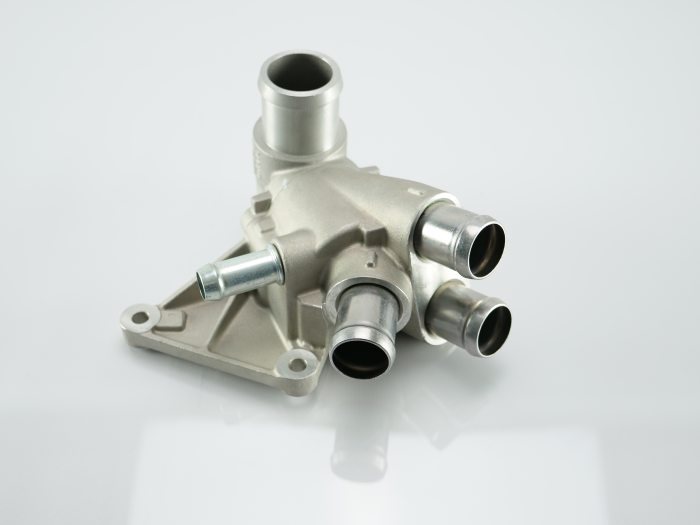
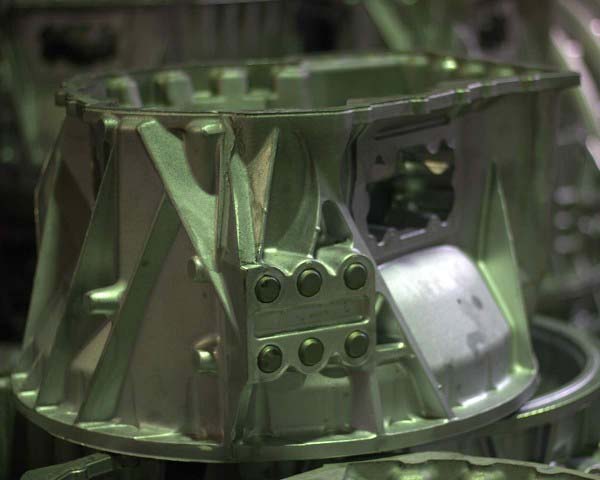
While various products are used in manufacturing, light weight aluminum spreading has become a pivotal method across multiple sectors due to its flexibility and performance. This process is commonly utilized in the auto industry for generating light-weight engine blocks, transmission instances, and various elements that boost fuel effectiveness. In the aerospace industry, aluminum casting is crucial for producing elaborate components that call for high strength-to-weight ratios, adding to boosted aircraft efficiency.
In addition, the electronic devices sector depends on light weight aluminum spreadings for warmth sinks and real estates, where thermal monitoring is essential for tool durability. The construction field likewise takes advantage of aluminum spreading in the kind of building components and architectural components that combine visual charm with sturdiness. Furthermore, the durable goods market makes use of aluminum castings for cookware and sporting devices, leveraging the product's excellent deterioration resistance and aesthetic surface. On the whole, aluminum casting works as a keystone in modern-day manufacturing, supporting varied applications across different fields.
The Duty of Aluminum Spreading in Sustainability
Sustainability has come to be a centerpiece in manufacturing methods, and light weight aluminum spreading plays a crucial duty in promoting environmentally friendly options. The procedure of light weight aluminum casting is inherently lasting due to the product's recyclability. Aluminum can be reused numerous times without losing its homes, significantly minimizing power consumption and basic material requirements. This recycling process takes in just about 5% of the energy needed for main light weight aluminum production, causing a remarkable decline in carbon exhausts.
Light weight aluminum casting assists in the manufacturing of lightweight components, which contribute to power effectiveness in numerous applications, especially in the vehicle and aerospace fields - Aluminum Casting Company. Lighter vehicles take in much less fuel, more lessening environmental impact. In addition, advancements in casting methods are enhancing material usage, decreasing waste in making processes. As industries seek to align with sustainability objectives, aluminum casting becomes a sensible option, supporting a circular economic climate and promoting accountable production methods
Technological Innovations in Light Weight Aluminum Casting Techniques
As industries progress, the adoption of ingenious technologies in light weight aluminum casting strategies has actually transformed making processes. The assimilation of computer-aided design (CAD) and computer-aided production (WEBCAM) systems boosts precision and performance, enabling for intricate geometries that were previously challenging to produce. Advanced melting and spreading methods, such as die casting and financial investment casting, have actually improved the high quality of light weight aluminum parts, lessening issues and lowering waste. The introduction of automated systems and robotics in casting procedures has streamlined workflows and enhanced productivity. These advancements also allow real-time surveillance and information analytics, assisting in far better decision-making and quality assurance. Furthermore, the advancement of new alloys and warm therapy processes has expanded the efficiency abilities of cast aluminum items. Collectively, these technological improvements not just enhance production performance however additionally contribute to the sustainability of light weight aluminum spreading in modern-day manufacturing.
Future Patterns in Light Weight Aluminum Casting and Its Influence on Advancement
Emerging fads in aluminum spreading are poised to reshape the manufacturing landscape, driving innovation across various sectors. One considerable pattern is the integration of sophisticated automation and robotics, which improves accuracy and effectiveness in production processes. Additionally, the rise of additive manufacturing methods is enabling much more intricate designs, reducing product waste and production time. As sustainability becomes a concern, the industry's concentrate on recycling aluminum and making use of environmentally friendly techniques is anticipated to grow, straightening with worldwide ecological objectives.
Furthermore, the development of wise spreading technologies, including real-time surveillance and data analytics, is readied to enhance top quality control and functional effectiveness. These improvements will promote the manufacturing of lighter, more powerful, and more durable light weight aluminum components, dealing with markets such as vehicle and aerospace. Ultimately, these trends will not just maximize producing procedures but additionally influence brand-new applications of light weight aluminum casting, promoting a society of innovation and flexibility out there.
Regularly Asked Inquiries
What Is the Background of Light Weight Aluminum Spreading in Production?
How Does Light Weight Aluminum Spreading Contrast to Various Other Metals?
Aluminum casting offers advantages such as light-weight properties and corrosion resistance contrasted to various other metals. aluminum casting. It promotes intricate shapes and improves energy performance, making it a favored choice in different manufacturing applications over larger alternatives like steel or iron
What Are the Common Defects in Aluminum Casting?
Typical defects in aluminum spreading consist of porosity, shrinkage, misruns, and additions. These concerns can arise from inappropriate putting techniques, inadequate mold layout, or infected products, causing lessened architectural honesty and efficiency of the last item.
Exactly how Is the High Quality of Aluminum Castings Tested?
The top quality of light weight aluminum castings is evaluated through approaches such as aesthetic assessments, dimensional measurements, non-destructive testing methods, and mechanical residential or commercial property analyses, making certain that they satisfy defined requirements for performance and architectural stability.
What Are the Precaution in Aluminum Casting Processes?
Precaution in aluminum spreading procedures include the use of individual safety devices, correct ventilation systems, normal devices maintenance, training employees on threats, and applying rigorous emergency protocols to decrease dangers linked with high temperature levels and liquified metal.
The recyclability of light weight aluminum adds to sustainability initiatives, as recycled aluminum requires considerably less energy to procedure contrasted to primary aluminum. While various products are employed in production, aluminum casting has come to be a pivotal method throughout several industries due to its adaptability and performance. Advanced melting and spreading methods, such as die spreading and financial investment casting, have actually enhanced the top quality of aluminum components, reducing defects and lowering waste. Arising trends in light weight aluminum casting are positioned to improve the production landscape, driving technology throughout various industries. Light weight aluminum casting has progressed because the late 19th century, originally developing with the introduction of aluminum website as a lightweight steel.